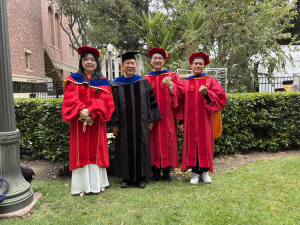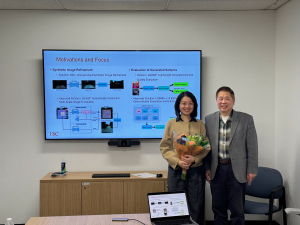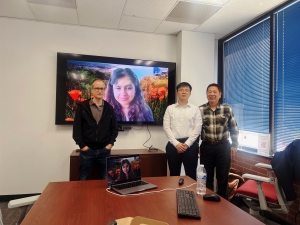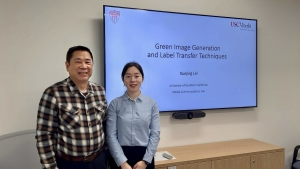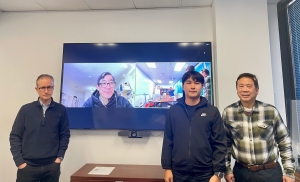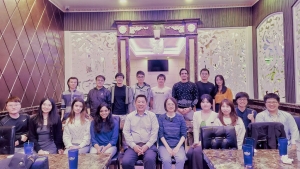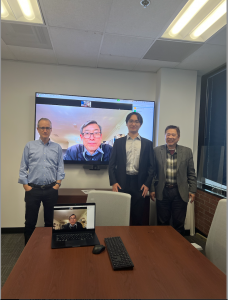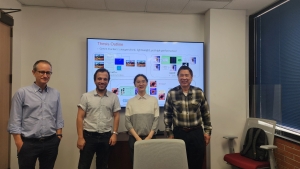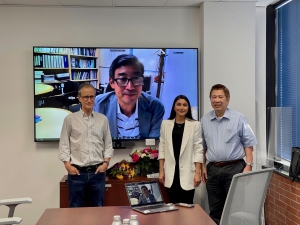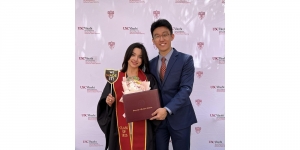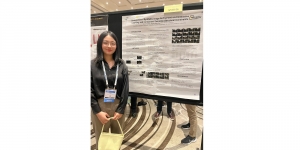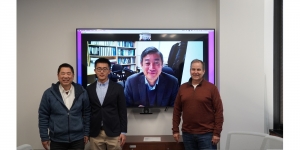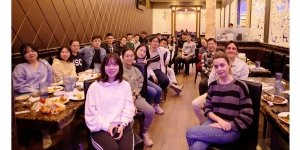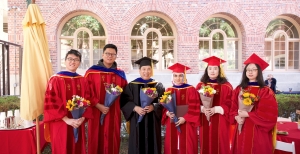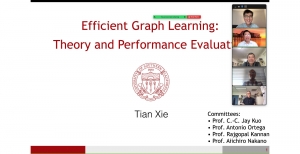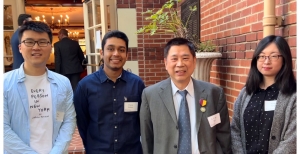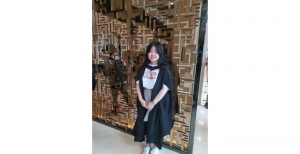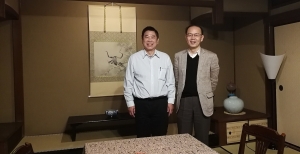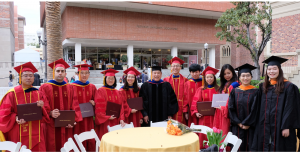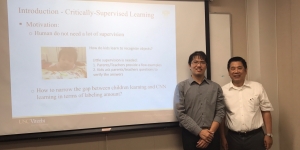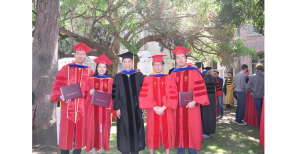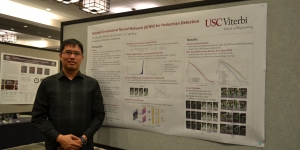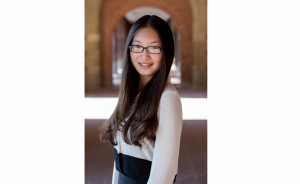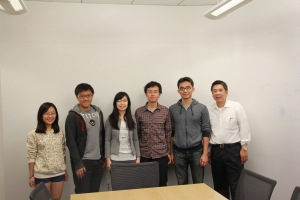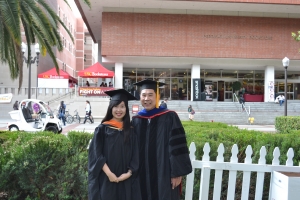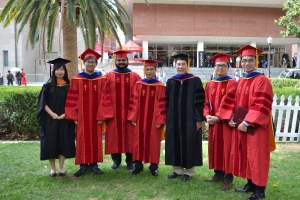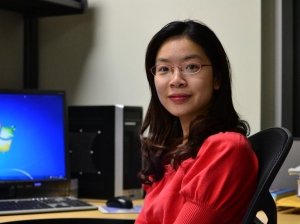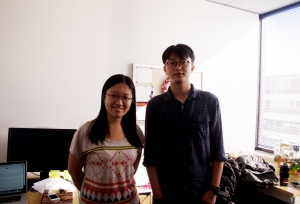


Congratulations to Qi Cao for passing her qualifying exam! Qi’s thesis is titled “Green Learning for EEG Classification: Methods and Performance Evaluation”. Here is a brief summary of her thesis proposal:
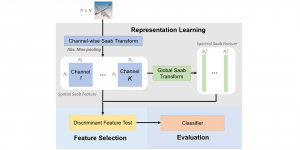
Electroencephalography (EEG) is a non-invasive and cost-effective method for measuring rapidly changing brain activity. However, EEG classification remains challenging because the signals are noisy and non-stationary, while labeled datasets often contain only a limited number of independent subjects. This proposal studies how structured EEG representations and Green Learning can support compact, interpretable, and reliable classification under these conditions.
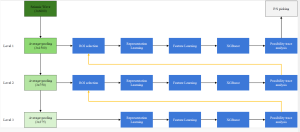
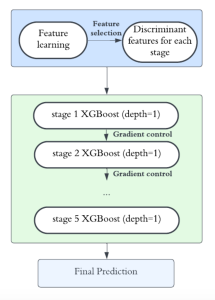
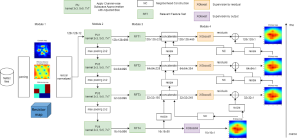
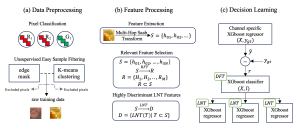
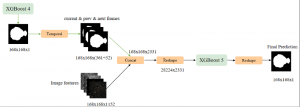
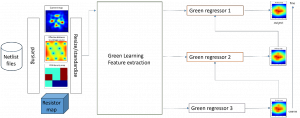
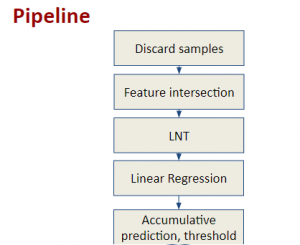
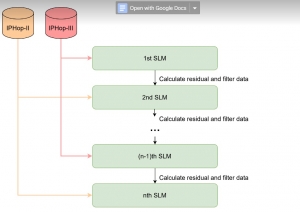
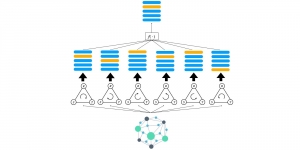
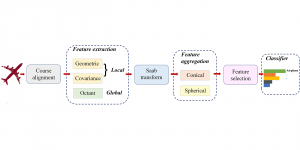
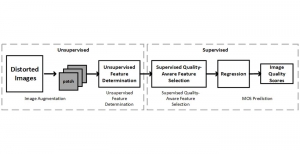
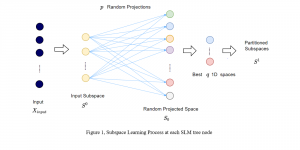
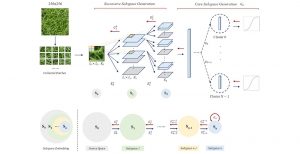
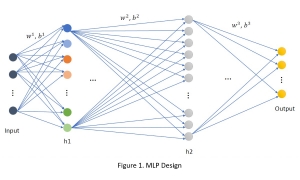
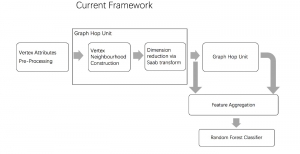
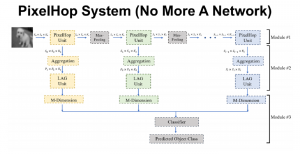
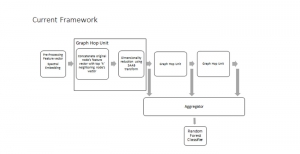
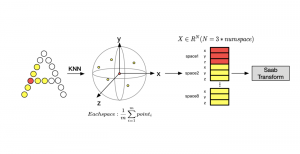
The first study investigates connectivity-based mental workload classification using direct Directed Transfer Function (dDTF) maps. The results show that dDTF connectivity representations improve classification performance over raw EEG across several matched learning methods. A compact Green Learning pipeline is then used to select, generate, and classify connectivity features.
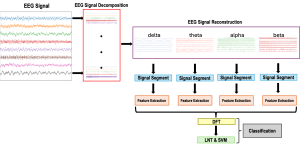
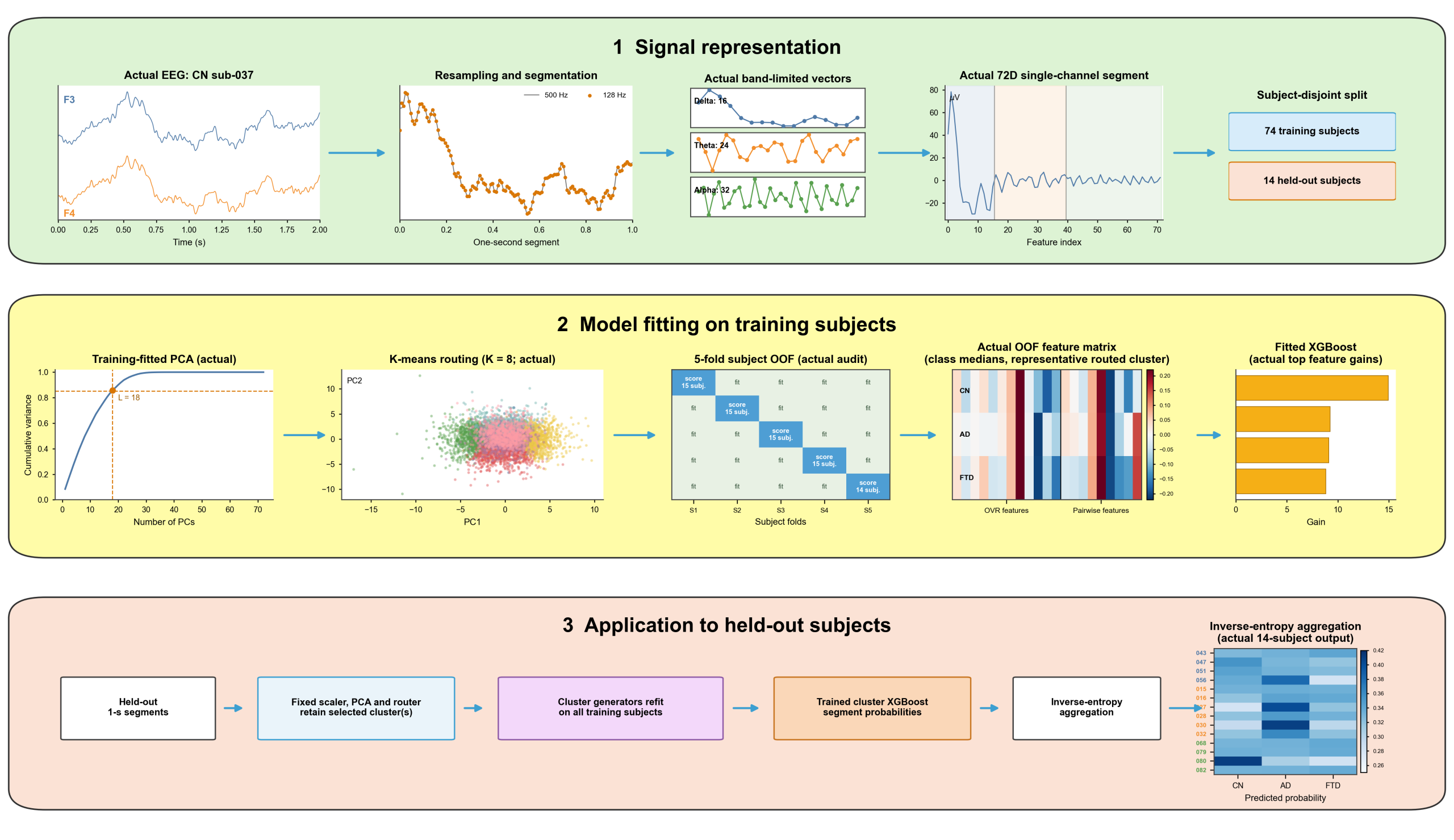
The second study examines temporal and spectral information within individual EEG channels for classifying cognitively normal participants, Alzheimer’s disease, and frontotemporal dementia. Preliminary subject-disjoint results suggest that compact delta, theta, and alpha features from the frontal F3 or F4 channel can provide useful classification information. Future work will use nested subject-disjoint evaluation and broader connectivity comparisons to test the stability and generalizability of these findings.