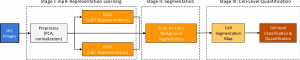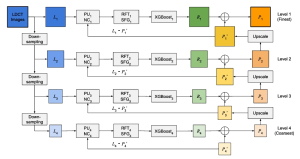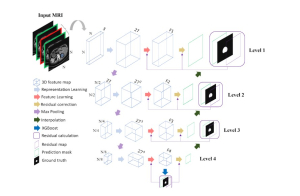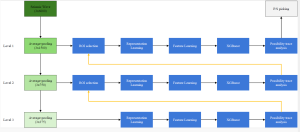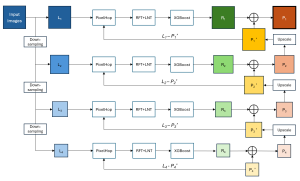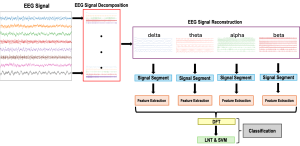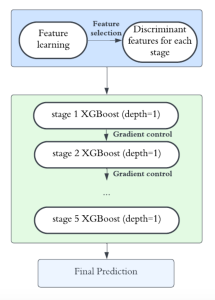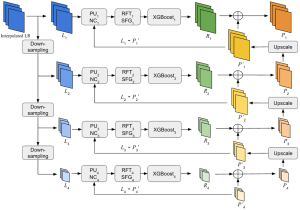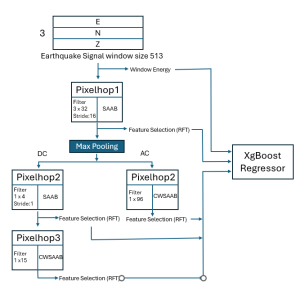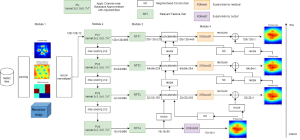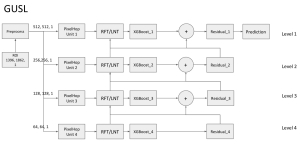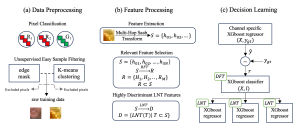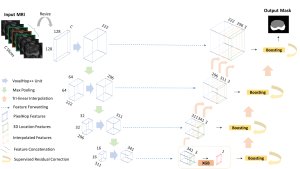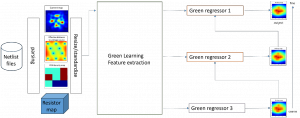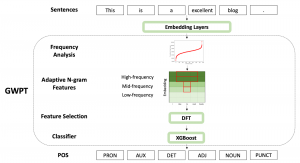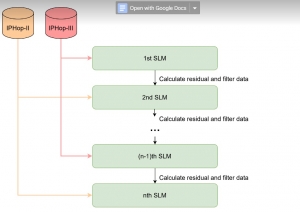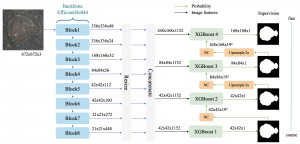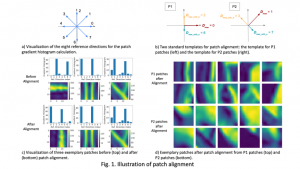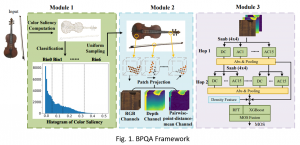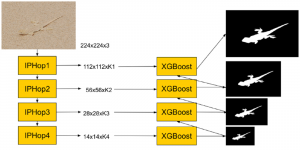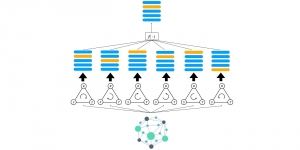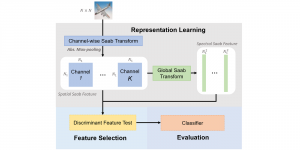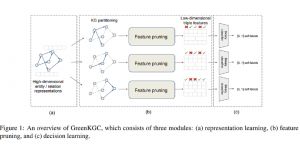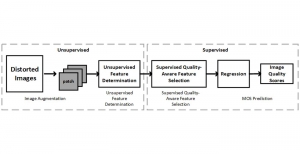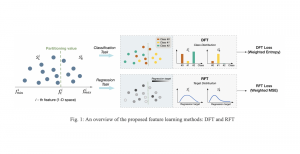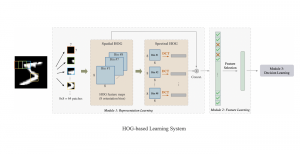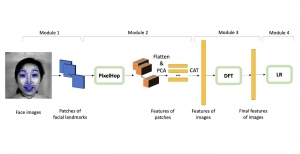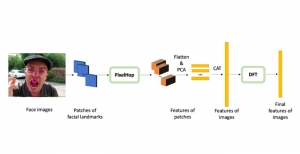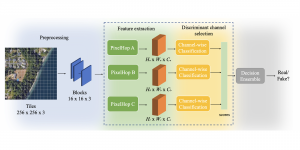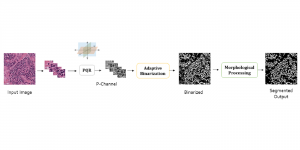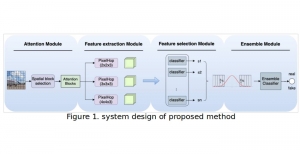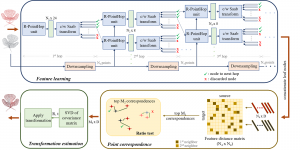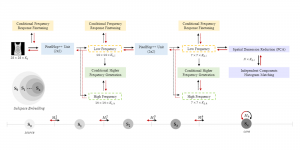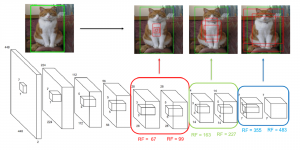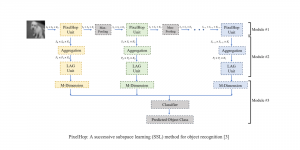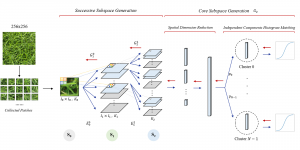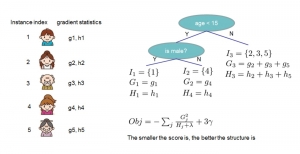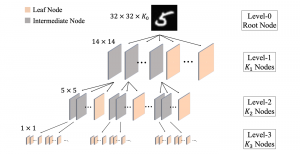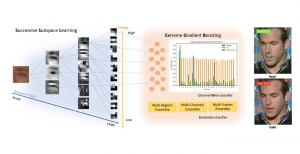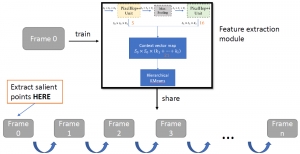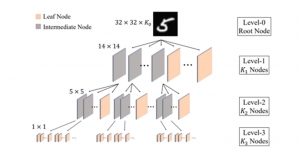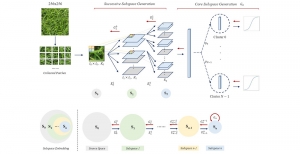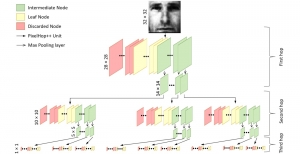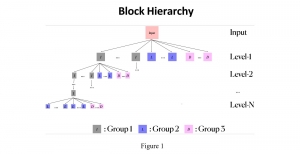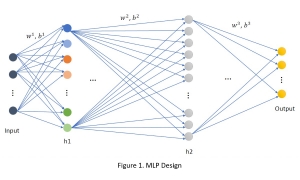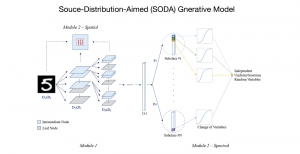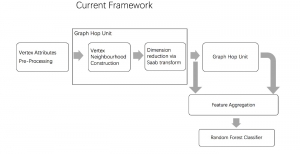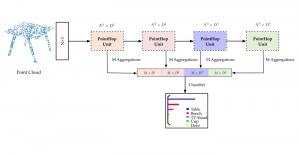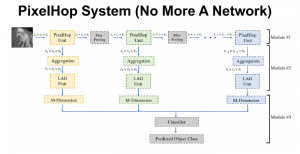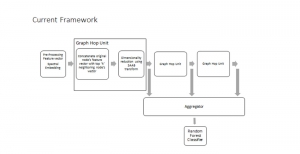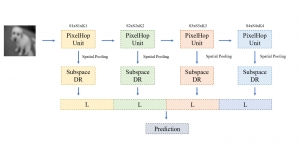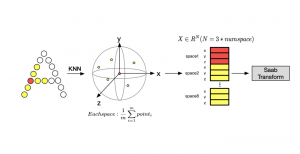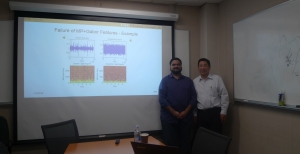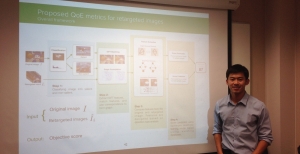

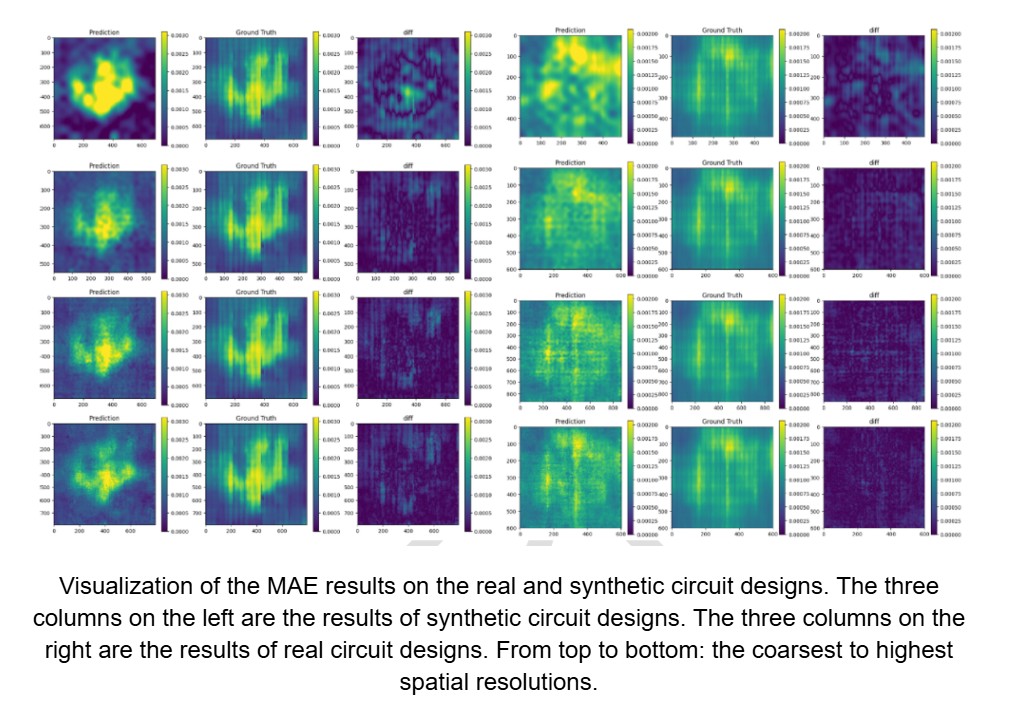
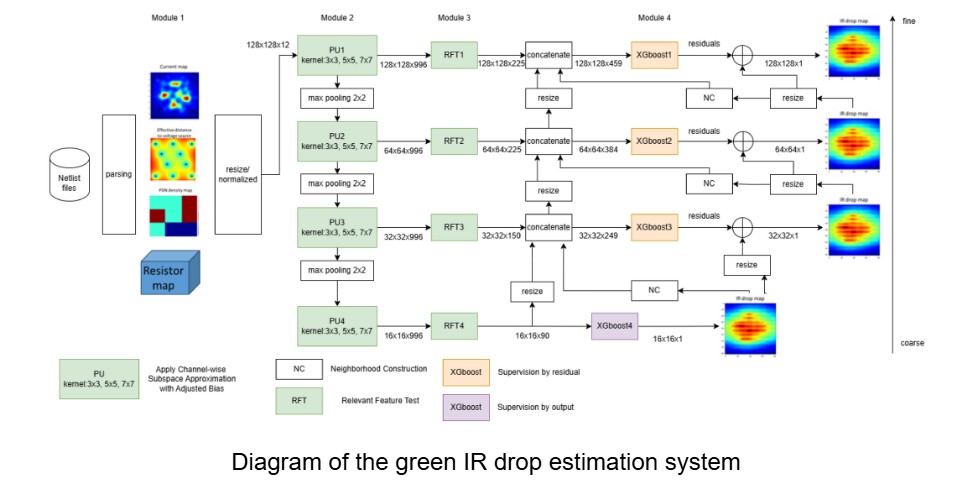
This work introduces Green IR Drop (GIRD), an energy-efficient and high-performance static IR-drop estimation method built on green learning principles. GIRD processes IC design inputs in three stages. First, the circuit netlist is transformed into multichannel maps, from which joint spatial–spectral representations are extracted using PixelHop. Next, discriminant features are identified through the Relevant Feature Test (RFT). Finally, these selected features are passed to an eXtreme Gradient Boosting (XGBoost) regressor. Both PixelHop and RFT belong to the family of green learning tools. Thanks to their lightweight design, GIRD achieves a low carbon footprint with significantly smaller model sizes and reduced computational complexity. Moreover, GIRD maintains strong performance even with limited training data. Experimental results on both synthetic and real-world circuits confirm its superior effectiveness. In terms of efficiency, GIRD’s model size and floating-point operation count (FLOPs) are only about 10⁻³ and 10⁻² of those required by deep learning methods, respectively.
MCL Research on Green IR Drop Prediction
Share This Story, Choose Your Platform!
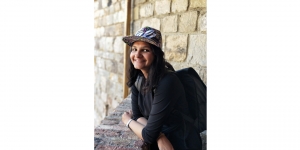
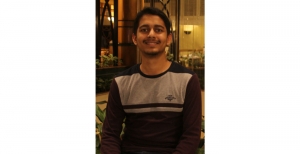
About the Author: Chee-An Yu

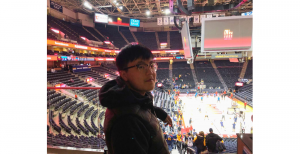
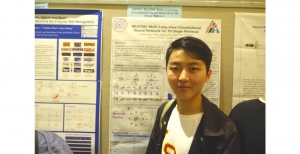
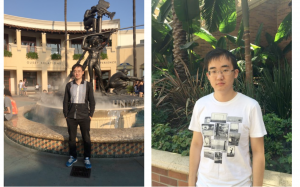
Chee-An Yu is pursuing his Ph.D. degree, advised by Professor C.-C. Jay Kuo, in Electrical Engineering at the University of Southern California. He received his bachelor’s degree in mechanical engineering and a master’s degree in electrical engineering in 2018 and 2020, respectively, from National Taiwan University. His research interests are image and signal processing, machine learning, and electronic design automation. In his free time, he is a hiking enthusiast and basketball lover.