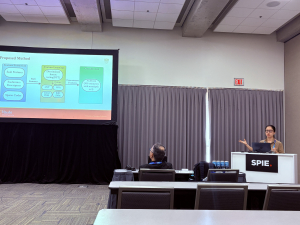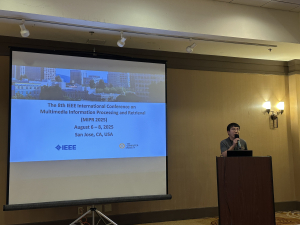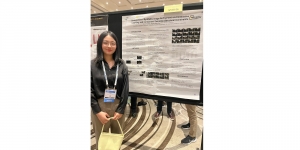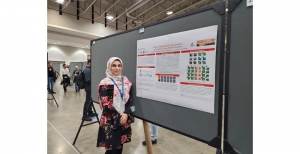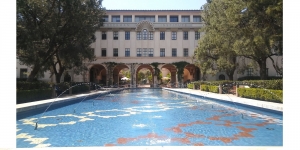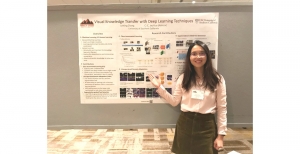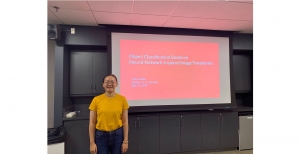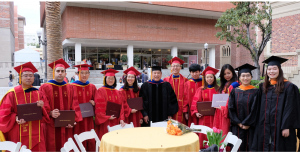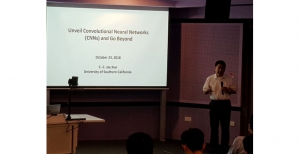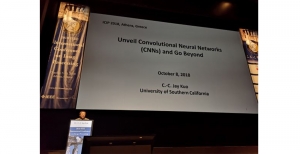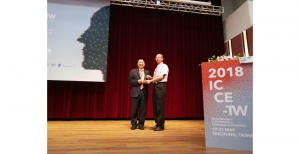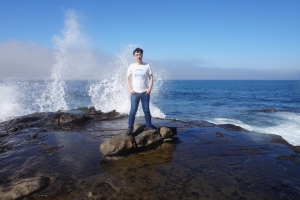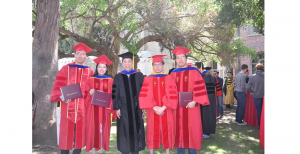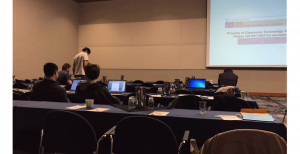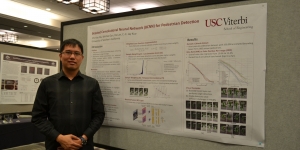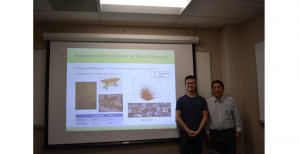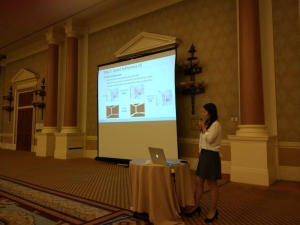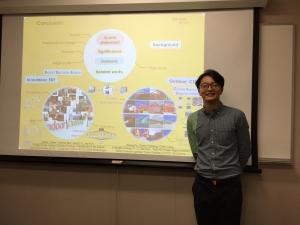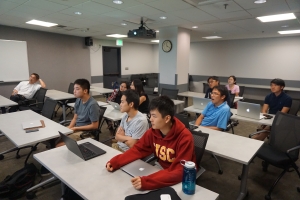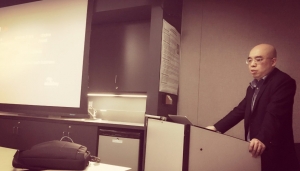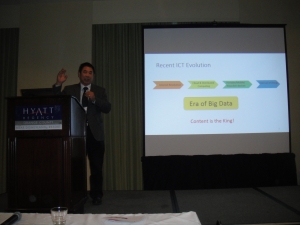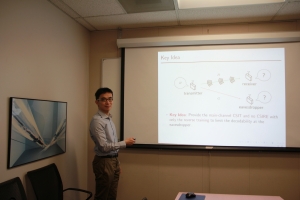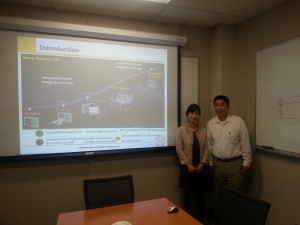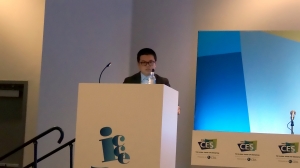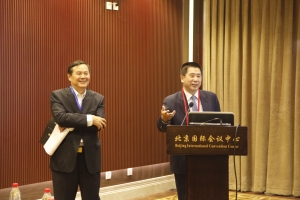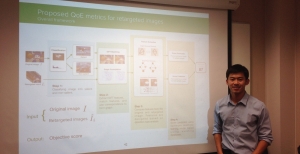


Our study on mental workload classification using EEG connectivity maps was presented at SPIE 2026 in San Diego. San Diego is a beautiful city, and it made the conference experience especially enjoyable. During our session, the session chair showed strong interest in our EEG research and asked several thoughtful questions to better understand our methodology and findings. I really enjoyed the discussion and the opportunity to exchange ideas with researchers interested in EEG and brain connectivity.
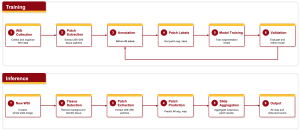
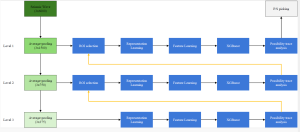
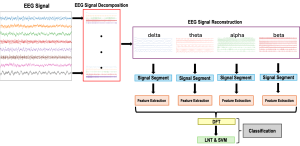
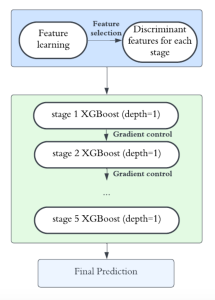
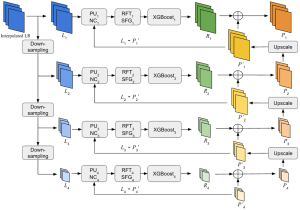
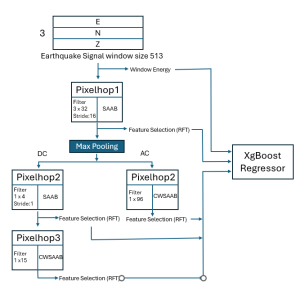
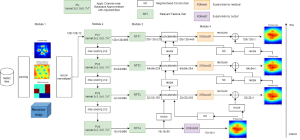
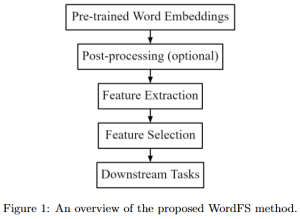
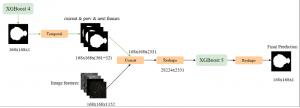
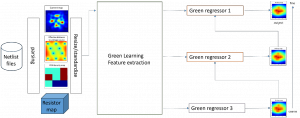
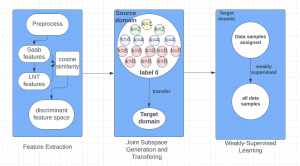
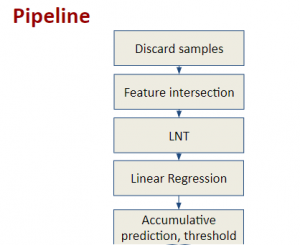
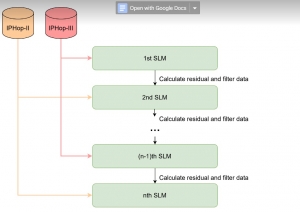
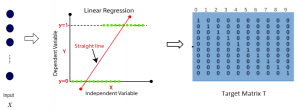
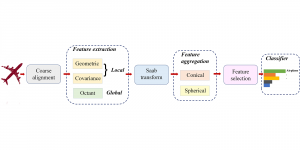
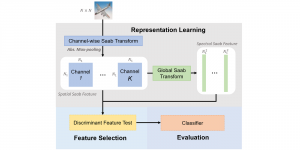
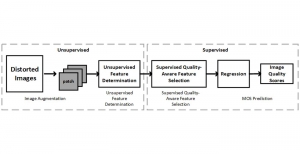
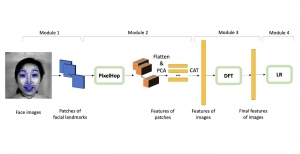
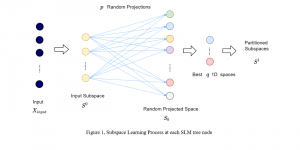
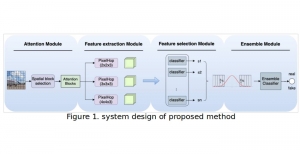
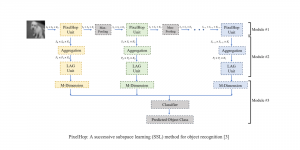
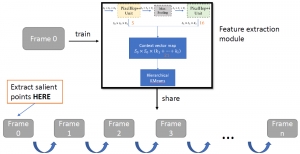
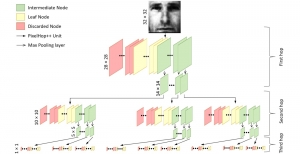
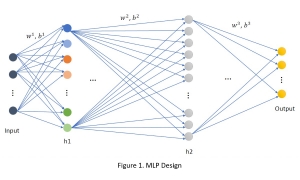
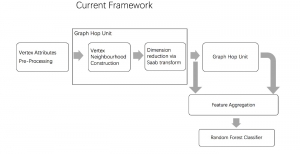
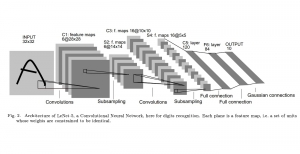
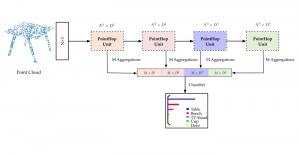
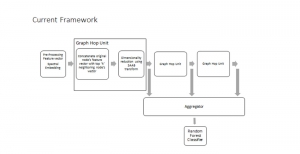
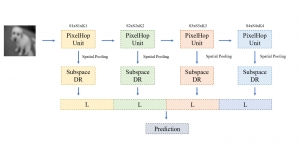
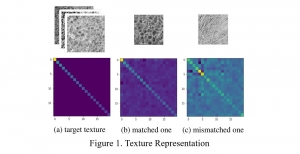
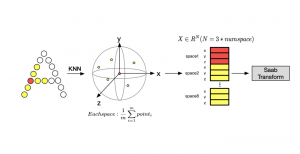
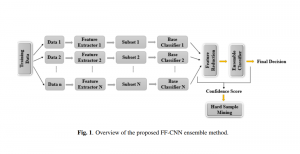
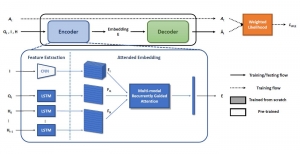
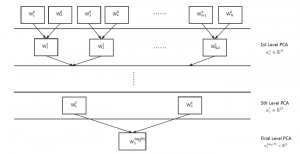
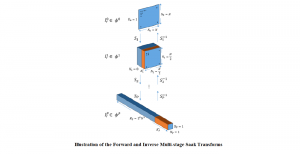
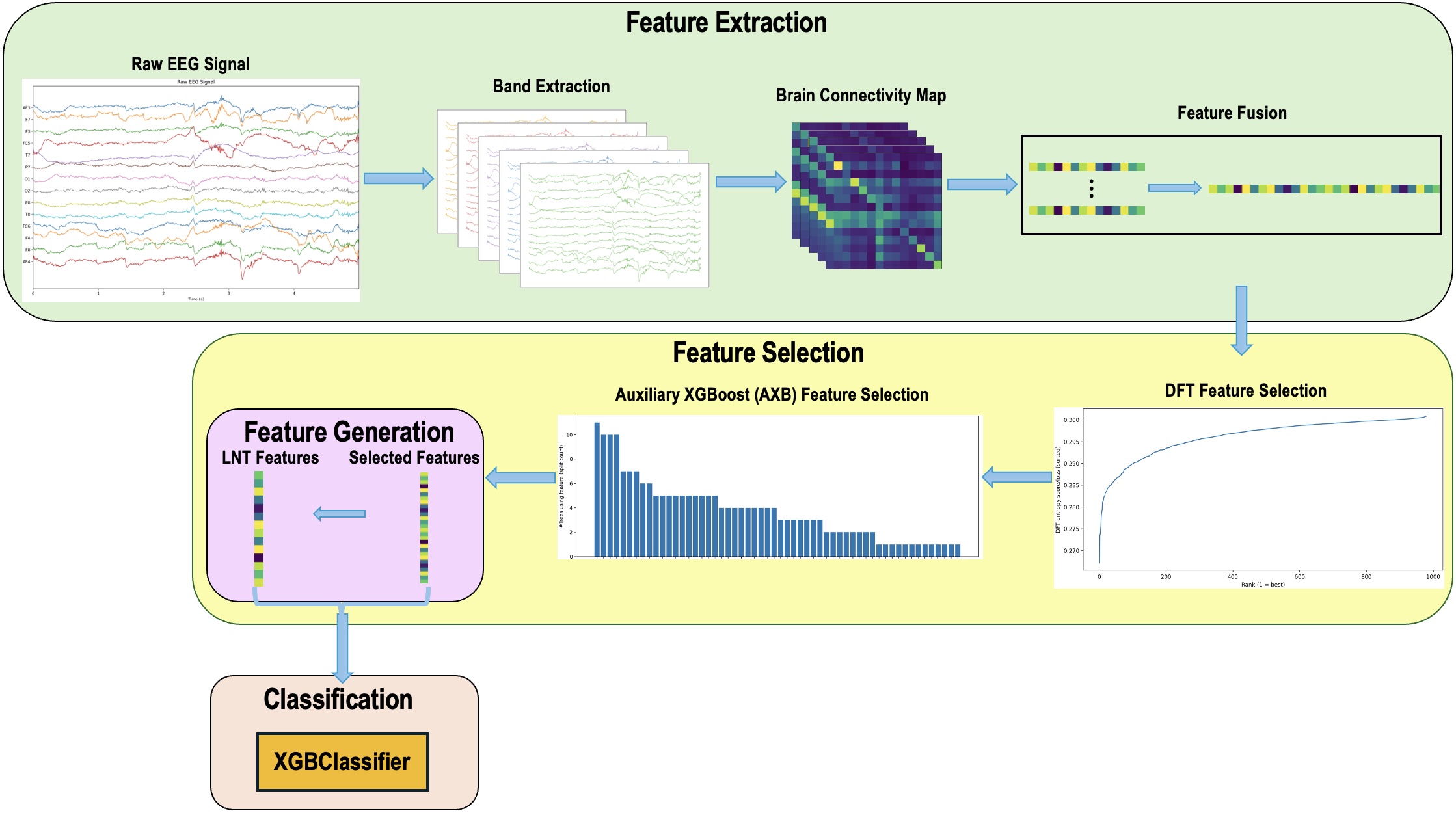
In this study, we explored mental workload classification using EEG connectivity maps. Instead of directly using raw EEG signals, we used dDTF to characterize directed connectivity between different EEG channels, and then applied a compact feature-learning and classification pipeline. Our experiments showed that the connectivity-based representation was more effective than raw EEG in classifying mental workload.